Shop All Plants

Fruiting Trees
CLASSIC FAVORITES
Nut Trees
CLASSIC FAVORITES
Discover
Unique Plants for Every Garden
Discover
Unique Plants for Every Garden


$24.95
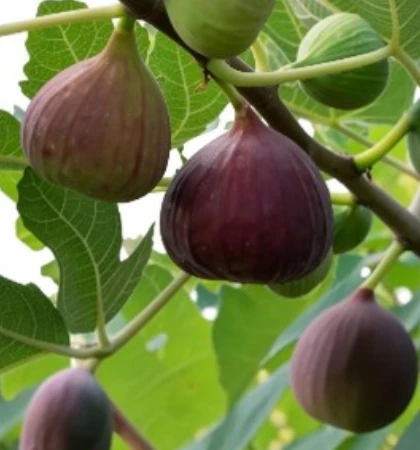
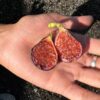
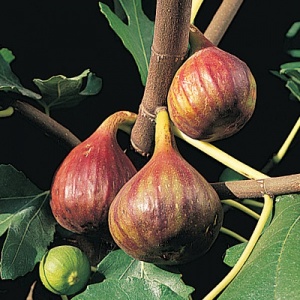
To distinguish this variety from less reliable varieties also called Brown Turkey, we named it for our friend and garden writer Vern Nelson. Vern’s Brown Turkey Fig Tree has proven itself a reliable and productive variety in the Northwest. It bears large, sweet and flavorful, dark brown figs with light amber flesh, often producing two crops a year.
To distinguish this variety from less reliable varieties also called Brown Turkey, we named Vern’s Brown Turkey Fig Tree for our friend and garden writer Vern Nelson. Vern’s Brown Turkey has proven itself a reliable and productive variety in the Northwest. It bears large, sweet and flavorful, dark brown figs with light amber flesh, often producing two crops a year.
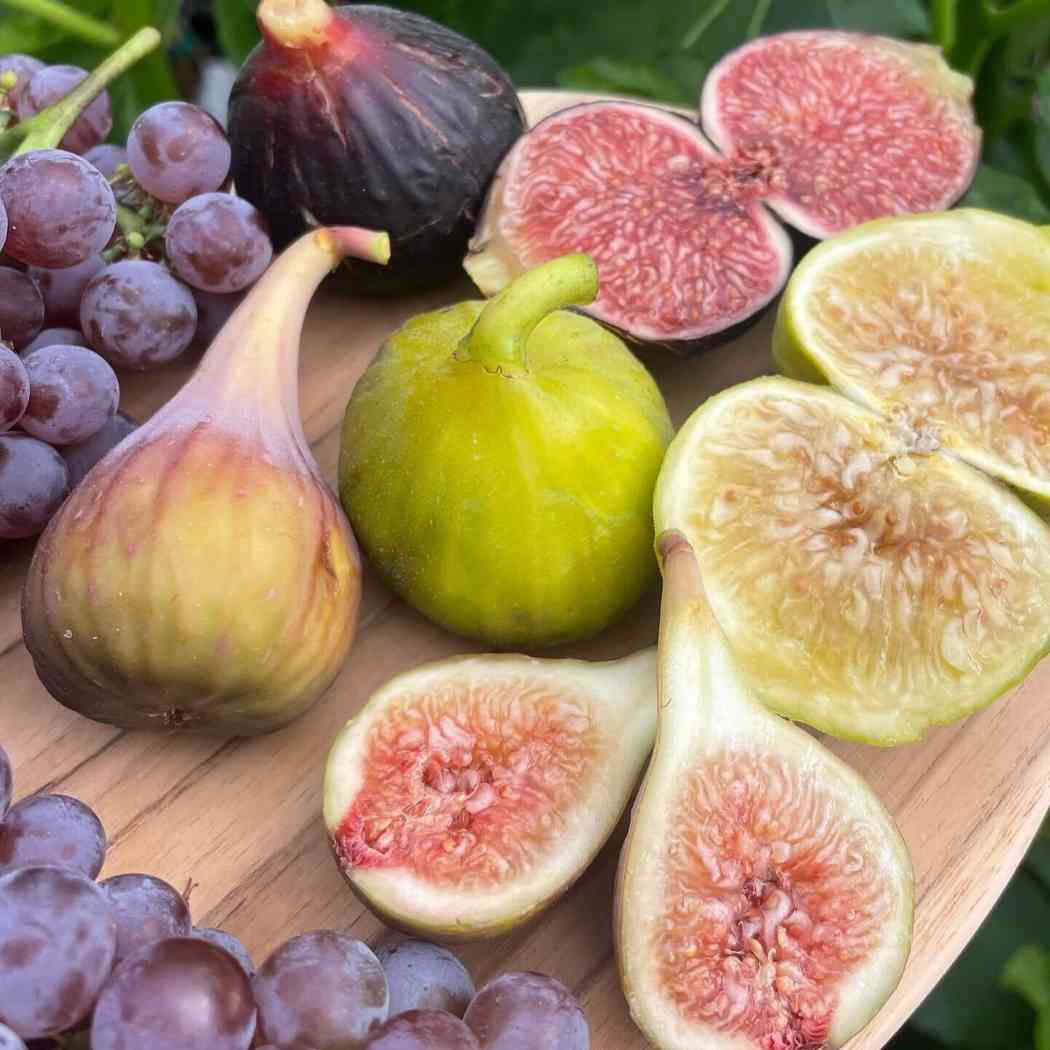
One of the easiest fruits to grow, and a true gourmet delight, you should not live your life without feasting on this sweet, delectable fruit. To fully enjoy fresh Figs you must grow your own. When fully ripe and at their tender, shipping them long distances is virtually impossible. Another plus for Figs – deer don’t like them (most of the time)!
Click here to read our Fig Growing Guide!
Latin Name: Ficus carica
Site and Soil: Figs do well in a variety of soils, but require at least 8 hours of sunlight during the growing season.
Pollination Requirements: Self-fruitful.
Hardiness: Hardy to between 0° & 5° F.
Bearing Age: 1-2 years after planting.
Size at Maturity: 8-10 ft in height, smaller with pruning.
Taste: Sweet
Fruit Skin: Dark brown
Fruit Flesh: Light amber
Bloom Time: Flowers are not noticeable as they are inside the fig.
Ripening Time: Late July – early August
Yield: 10-15 lbs. or more per plant
Pests & Diseases: Figs are not bothered by pests in our region. Cover plants with netting if birds are a problem.
Fig Mosaic Virus is a benign virus that exists in all cultivated fig trees. Yellow spotting of the leaves is a cosmetic symptom that shows more in container culture, but is quickly outgrown once trees are planted in the ground. The presence of FMV in all cultivated figs has become widely accepted, as even the national germplasm repository for figs maintained by the USDA has Fig Mosaic Virus. If the presence of FMV is a concern, then purchasing fig trees may not be the best option for you.
USDA Zone: 7
USDA Zone: 7, maybe 6?
| Weight | N/A |
|---|---|
| Size | 1 Gallon |
| Shipping Season | Fall |
Fruiting Trees
Combo Fruit Trees
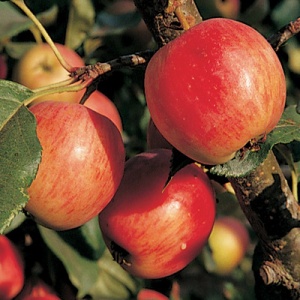
Apple Trees
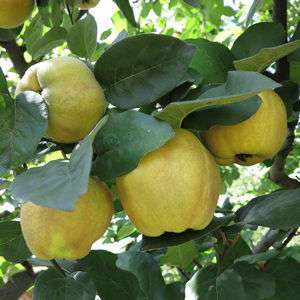
Fruiting Trees
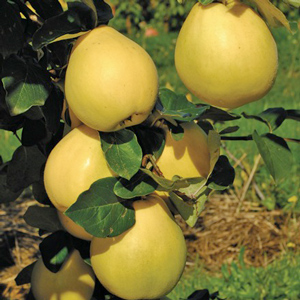
Fruiting Trees
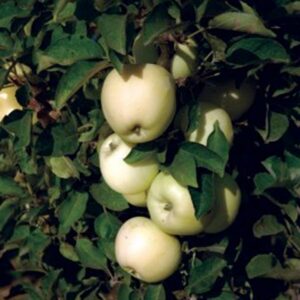
Apple Trees
Apple Trees
Fruiting Trees