




















Mason Bee’s and How to Care for Them
What are Mason Bees?
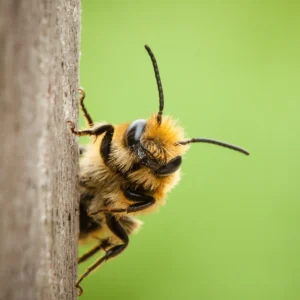
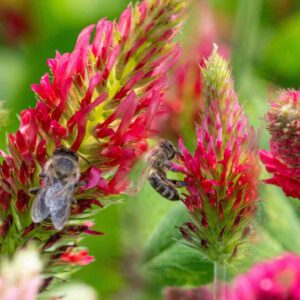
Osmia lignaria propinqua, or Blue orchard Mason Bees, are non-aggressive bees that live in solitary nesting tubes. They are smaller than honeybees and do not live in hives. Mason bees are excellent pollinators, demonstrating 95% pollination success compared to honey bees, which typically pollinate about 5% of the flowers they visit in a day. Also, they are cold hardy and resistant to disease as long as their homes are kept clean, so they are easy to maintain year after year. Click this link to read about Purchasing our live Mason Bees.
How do I care for my bees when they arrive?
Spring – If your trees are flowering:
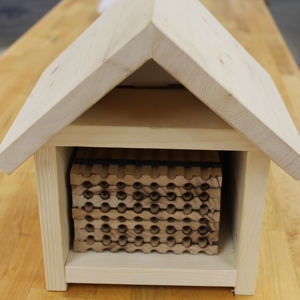
*Open your bees outside – in the event of warm temperatures in transit, bees may be awake* Remove the container from the shipping package, and place the box of bees near their new homes outside. There are many DIY examples of bee houses, just make sure there is a roof for protection! While nesting blocks are helpful, they are not necessary. Bees can make do! If your bee house has an “attic”, you can set the box on the shelf with the lid open. Generally, it takes one to four days above 55º F for the bees to begin emerging.
Winter – If you are keeping the bees dormant:
It is not time for your bees to hatch, so you will need to keep them dormant. Placing them in the refrigerator is the best way to keep them cool without causing frost damage. Keep them in the cardboard box they arrived in or placed in a ventilated container, such as a jar with holes in the lid. Remember, the bees are dormant but still alive and breathing!
Placing your nests
Choose a place with shelter from the wind and rain, out of reach from pets and small children. Hang the house so that the tubes are horizontal. Placing the nest within 200 to 300 feet from a nectar source is important because mason bees do not travel long distances.
Mason bees like morning sun during their active stage, between March and early June. During the summer they need shade while the larva are hatching in the tubes. Good spots for placing nests are close under the eaves of the east facing side of a house, or 5-8 feet high on a solid branch of a deciduous tree.
Requirements for mason bees in the garden
- Moist clay soil – the female bees need moist clay to build the cell walls in the nesting chamber. Soil that is too sandy will crumble. You can set out a container of clay powder if your soil is not naturally high in clay.
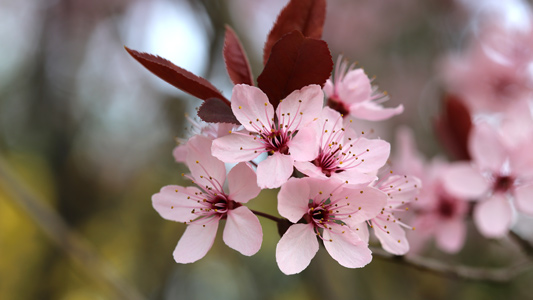
- Spring flowering plants close to the nest – Fruit trees such as apple, cherry, peach, pear, and plum are ideal. Mason bees prefer single flowers to showy hybrids and double-blossoms, which may not provide adequate nutrition.
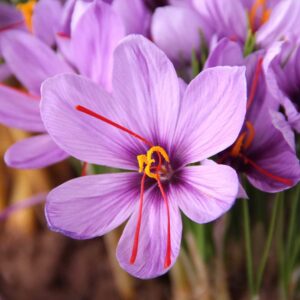
- Other flowering plants – Blue, purple, or yellow blossoms that bloom during the lifespan of the adults are most attractive to mason bees.
Long-term Mason Bee care
After emergence, adult bees will mate, build nests, collect food, and lay eggs before they die. This cycle is usually complete by early summer. The eggs that have been laid inside the nesting boxes will hatch, spin cocoons, and then mature over the summer until they are fully developed as adults by the fall. These adults then remain dormant in their cocoons through the winter. Care can be taken to ensure higher emergence of bees in the spring by protecting the developing larvae, and harvesting and cleaning the cocoons.
STORING NESTING TUBES AND BLOCKS (July to August)
Blocks and tubes can stay outside, but you can have better population growth if you move the nesting tubes or boxes to a protected storage area to prevent predators from feeding on the developing bees. They can be placed inside a sealed paper bag or cardboard box protected from mice, or in a plastic container with ventilation holes. They need a well-ventilated space with summer warmth to fully develop (like a garage or shed).
HARVESTING COCOONS (October to November)
Cocoons ocoons can be removed from the nesting block or tube, being careful not to damage the adult bee inside. Stacked trays can be taken apart, and the cocoons removed using a flat head screwdriver to gently scrape the hole. Cardboard and paper tubes can be carefully cut open and peeled apart.
One method for cleaning the cocoons is to “wash” them with sand. Use your hands to lightly mix or stir the cocoons in a bowl containing dry sand. The sand rubbing against the cocoon dislodges mites, mud particles, pollen, and frass (the larva’s excrement). Use a screen or strainer to separate the cocoons from the sand. Place cleaned cocoons in a container with air holes in a cool, dark environment with 60-70% humidity (you can use a household refrigerator).
In case of extreme mite damage, the cocoons can be rinsed in a bleach solution. For 1 to 2 minutes, swirl the cocoons in a bowl filled with 5% bleach solution
(1 tbps of household bleach into 8 cups of cool water). Place cocoons on a screen or towel and allow them to dry thoroughly before storing.
Common reasons for bees not hatching the following year
- Housing absorbed too much moisture (not protected from rain)
- The nest box was moved too early (larvae can become separated from their food supply in the nest chamber)
- Winter storage temperatures below 10 F
- Severe mite infestation
- Overheating in the summer
Please note, these bees are shipped dormant in their cocoons. We recommend always opening the box outside as they are live bees and may wake up during transit in warmer weather. If you receive the bees before the ideal time to release them in your area, it is best to store them in the refrigerator until they are ready to be released.
Please note, if they hatch early or indoors, these Bees are gentle friends and will not harm you. You can open a window, and the air pressure will gently encourage their exploration outdoors. Treat them (and all living beings) with respect and kindness, as they are our beloved helpers.