





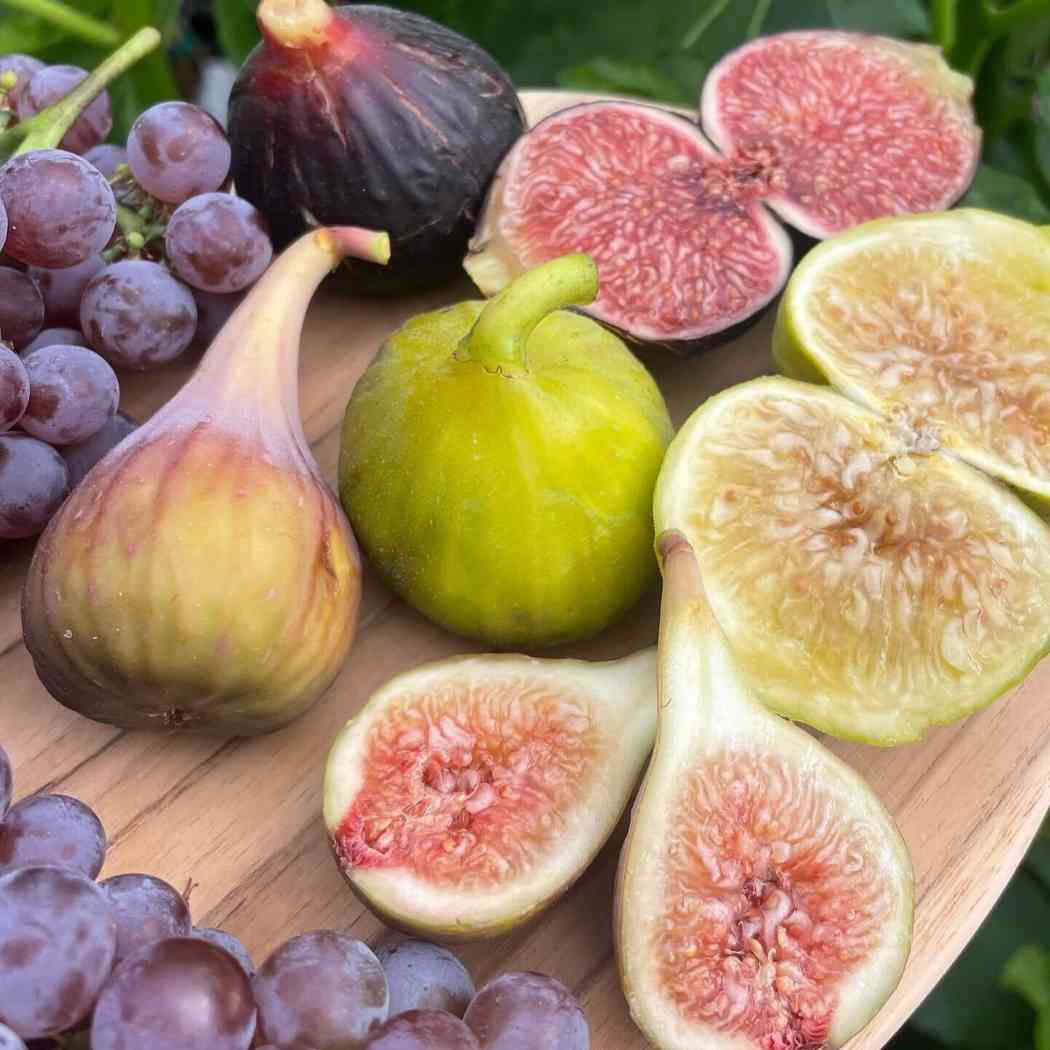

Figs for the Pacific Northwest – here are our top picks for Figs grown in the Willamette Valley. Special attention has been paid towards keywords like “breba crop”, which helps ensure ripened figs here in our shorter growing season… as well as “split resistance” for our propensity towards rain.
Pacific Northwest Cultivar Selections
Beall – 10-20 ft. purple brown skin w/ rose gold flesh, large breba
Black Spanish – 8-10 ft black skin w/ honey flesh, breba
Black Manzanita -10-20 ft. black skin w/ dark purple flesh, breba
*Desert King – 8-10 ft. light green skin w/ guava pink flesh, breba
*De Tres Esplets – 8-15 ft. purple brown skin w/ light pink flesh, !double breba!
Excel – 10-12 ft. green/yellow skin w/ crunchy seeds, resists splitting, breba crop
Florea – 10-20 ft. brown skin w/ strawberry flesh, breba crop
Grantham’s Royal – 8-15 ft. green and purple w/ honey flesh, breba with mild winters
*Improved Celeste – 10-20 ft. purple/brown skin w/ dark pink flesh, resist splitting
Lattarulla Italian Honey – 8-10 ft. greenish yellow skin w/ honey flesh
LSU Jack Lily – 10-12 ft. honey fig, yellow skins w/ amber flesh closed eye, breba
LSU Tiger – 8-12 ft. purple and gold variegated skin w/ deep red flesh
Royal Vineyard -10-20 ft. light brown skin w/ beige flesh, large fruit, breba
*Raasti – 10-20 ft. an excellent and prolific breba crop, very early main crop
*Negronne – 8-10 ft. A naturally small tree, breba
Natalina – 10-20 ft. purple skin w/ rose gold flesh, dependable
Peter’s Honey – 8-10 ft. yellow green skin w/ dark amber flesh
*Ronde de Bordeaux – 8-15 ft. purple skin w/ raspberry flesh, ripens in July, breba
Thermalito – 10-20 ft. yellow-green skin w/ deep red flesh
Vern’s Brown Turkey – 8-10 ft. dark brown figs w/ light amber flesh, reliable
Valle Negra – 10-20 ft. black skin w/ amber red flesh, breba
Violet Sepor – 8-15 ft purple brown skin w/ ruby colored flesh, resist splitting
278-128 (Golden Riverside) 10-20 ft. yellow skin, large fruit
A Guide to Growing Figs
Keywords
Breba crop– the first crop of the season which is ripened on the previous year’s growth. Winters must be mild enough that the overwintering breba crop buds can survive, but in areas like the Pacific Northwest with mild winters and cool summers we often focus on varieties with exceptionally large breba crops
Main crop- Figs that are ripened on the current year’s growth. Main crops are typically much larger and of superior quality than the breba crop
Site Selection
Sun, sun, sun is the first thing to consider. Figs prefer as much sunlight as possible. Some varieties can still produce decent crops in part shade but they will really perform better if given a full day of sunshine.
Pruning Your Figs
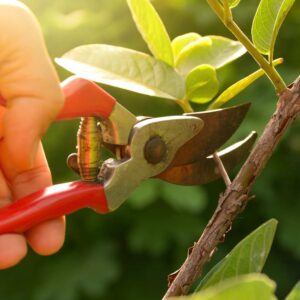
Pruning fig trees is similar to pruning most other fruit trees. General rules of pruning apply to the fig which include pruning out dead or diseased wood, keeping an open center, pruning out any redundant branches, pruning out branches with bad angles and making heading back cuts on overly lanky branches. Pruning out root suckers is also generally recommended as they receive little sunlight and typically don’t produce many figs.
Figs are almost always self-rooted, so pruning these root suckers is a great way to get propagation material for making more fig plants! Figs are generally pruned in late autumn after all fruit has been picked or late winter before it breaks dormancy. Winter pruning is good for cutting back old and unproductive branches. Summer pruning will help reduce vigor on your plant. The unique thing about pruning figs is keeping in mind your breba crop and being sure you don’t prune off all your breba wood. For this reason many folks grow their figs as a multi-stemmed shrub rather than a traditional tree shape so they can continuously have their fruiting wood rejuvenated.
Harvesting Your Figs
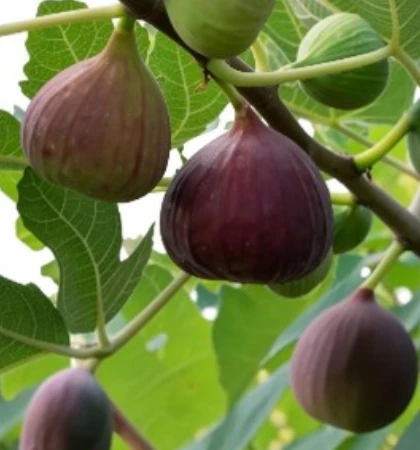
Don’t let the grocery stores deceive you, figs should be ripe almost to the point of falling apart when they are fully ripe. You can tell when a fig is ripe when the neck starts to elongate just a bit and if you tap on the branch next to the fruit you’ll see the neck elongate slightly more. This is when figs are at their ripest and there are few fruits that can rival a perfectly ripe fig. Figs do not ripen much if at all off the tree so picking them at the peak of ripeness is essential to get the best flavor out of them.
Enjoy growing these delicious varieties at home and let us know which are your favorites!
And of course, you’re welcome to join us every October for our annual Fig Fest and tasting event. Happy Growing!