









Winter Pruning for Fruit Trees- Winter is a great time for spring planning and daydreaming of sunnier days to come. It’s also a perfect time to prune dormant fruit trees and plants. Pruning during the winter will set your fruit trees up for a successful growing season!
Be sure to check out our winter pruning guide and follow the link to watch our Horticulturist, Sam, provide further fruit tree pruning guidance below!
1. Winter prune between Early December – Late February. Pruning too early can take away too much energy from a tree when a heavy amount of sap is still in the branches and leave wounds open for a longer period of time exposing them to winter rains and potential diseases. Pruning too late can also stunt the tree because sap is concentrated in the branches and buds. Pruning while your trees are fully dormant but soon to wake up is ideal.
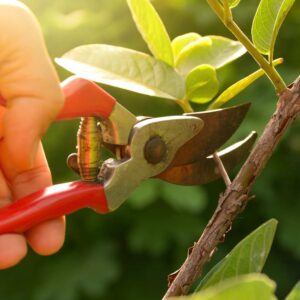
2. Prune out any dead wood, diseased wood, and crossing branches. These are the first branches to remove and the easiest ones to make decisions on. Dead branches will be brown and desiccated, and diseased wood isn’t always obvious but often has discoloration, cankers or fungal spores showing. Be sure to sterilize tools after you’ve been pruning diseased branches.
4. Winter pruning is a great time to control height and take out larger branches. While the tree is dormant you can cut out larger branches without stunting the tree too much. Branches growing towards the interior or growing parallel to one another, often called redundant branches, should be removed.
5. Prune to let light in on your maturing fruits. More UV means higher levels of anthocyanins and sugars which means more nutritious and delicious fruit! Though you’ll sometimes have to prune out some fruit bearing branches. We understand how difficult this can be, but rest assured it means larger and more flavorful fruits come summertime.
6. Try not to over-prune. Over-pruning risks stunting the plant. It is also important to be mindful of not removing too much material. Limit pruning to a maximum 1/3 of your tree in a year. But also, do not be shy about removing material. Trees are resilient and the healthiest and most productive fruit trees are pruned regularly.
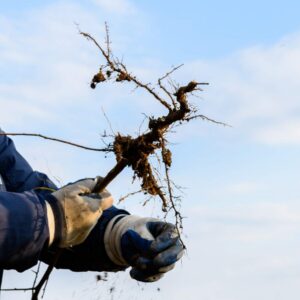
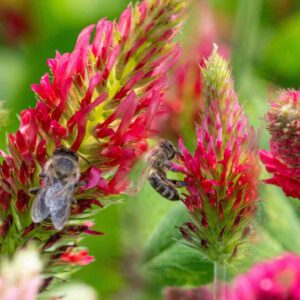
7. Prune nitrogen fixing plants to get a release of nutrients. Pruning nitrogen fixing plants causes root die back, which activates their nitrogen fixing nodules!
8. Be mindful which trees you’re pruning!
Stone fruits should be pruned only during dry periods! Spraying afterwards with a fungicide to keep fungal diseases from invading. Consider significant summer pruning on these species to alleviate the risks of rain-borne fungal diseases. Be mindful to not remove fruit-bearing wood on plants that produce only on last year’s wood.
9. Pay attention to how your trees react to your pruning.
The best way to become an expert pruner is to pay attention to your trees! See how they react to your cuts. Notice how opening up certain parts of the canopy can effect lover levels, and how flower and fruit production vary based on how you prune.