Shop All Plants

Fruiting Shrubs & Berries
Small plants. big harvest.
Fruiting Trees
CLASSIC FAVORITES
Nut Trees
CLASSIC FAVORITES
Discover
Unique Plants for Every Garden

Discover
Unique Plants for Every Garden


$39.95
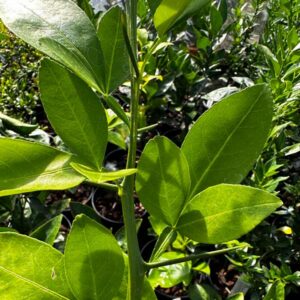
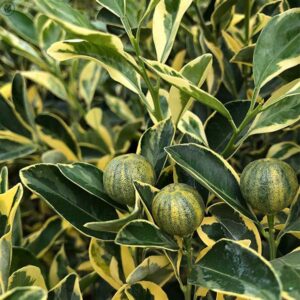
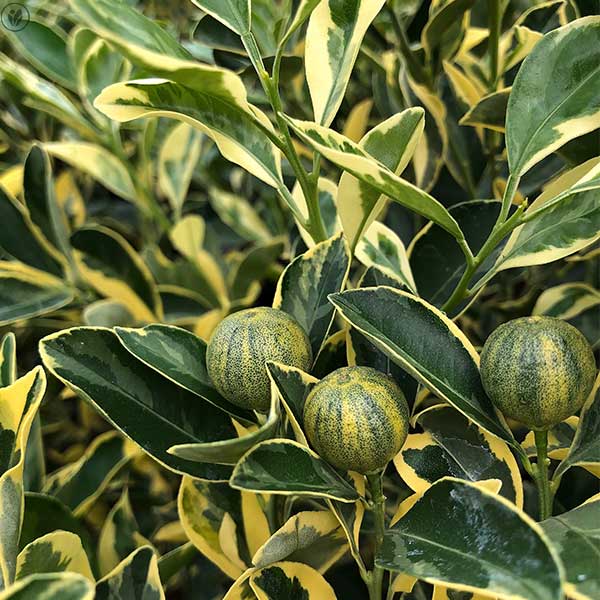
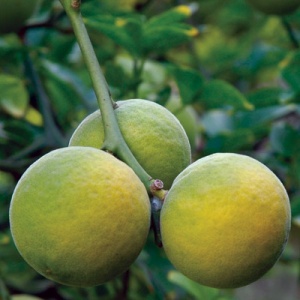
One of the hardiest and most attractive of the sweet Citrus varieties, Calamondin is prized for its abundant crops of 1″ diameter fruit which are used like a lemon or lime and makes delicious juice and marmalade. In addition to its compact form and fragrant flowers, Variegated Calamondin features attractive, creamy-white and green, variegated fruit and foliage.
One of the hardiest and most attractive of the sweet Citrus varieties, Variegated Calamondin is prized for its abundant crops of 1″ diameter fruit which are used like a lemon or lime and makes delicious juice and marmalade. In addition to its compact form and fragrant flowers, Variegated Calamondin features attractive, creamy-white and green, variegated fruit and foliage.
Click here to view our Citrus Growing Guide
Latin Name: Citrus madurensis
Site and Soil: In spring, summer and fall, keep your potted Citrus in a location with 1/2 day to full sun. In the winter, place your plant in a well-lit room. Potting soil should be coarse, acidic, and well-drained.
Rootstock Description: Flying Dragon is a hardy and very dwarfing rootstock for Citrus that induces very early flowering and fruit production. Trees grown on Flying Dragon will rarely exceed 5 ft. in height and will often produce fruit the year they are planted.
Pollination Requirements: Self-fertile. You can help it set fruit by taking a small brush and moving pollen from flower to flower.
Hardiness: Hardy to about 15-20° F. We recommend bringing into a well-lit and protected location in late fall before hard frosts occur.
Bearing Age: 1-2 years. The plant should be bearing fruit at time of purchase.
Size at Maturity: 3-5 ft.
Taste: Sweet
Fruit Skin: Green, variegated
Fruit Flesh: Orange
Bloom Time: Year-round.
Ripening Time: Often ripens year-round.
Yield: 40+ fruit
Care: Fertilize with citrus mix 3-4 times per year with typical applications in late winter (Jan-Feb), late spring (May-June) and early fall (Sept-Oct).
Pests & Diseases: While outside, Citrus plants will likely not be bothered by insect pests. Be on the lookout for slugs. Indoors, Citrus can have mites and/or aphids. Watch carefully for any problems and treat with an insecticidal soap or wash them off. We have not seen any disease problems on our Citrus varieties.
USDA Zone: 8
| Weight | N/A |
|---|---|
| Size | 1 Gallon |
| Shipping Season | Fall |
Citrus
Citrus
Citrus
Citrus

Citrus
Citrus