Shop All Plants

Fruiting Trees
CLASSIC FAVORITES
Nut Trees
CLASSIC FAVORITES
Discover
Unique Plants for Every Garden
Discover
Unique Plants for Every Garden


Price range: $39.95 through $49.95
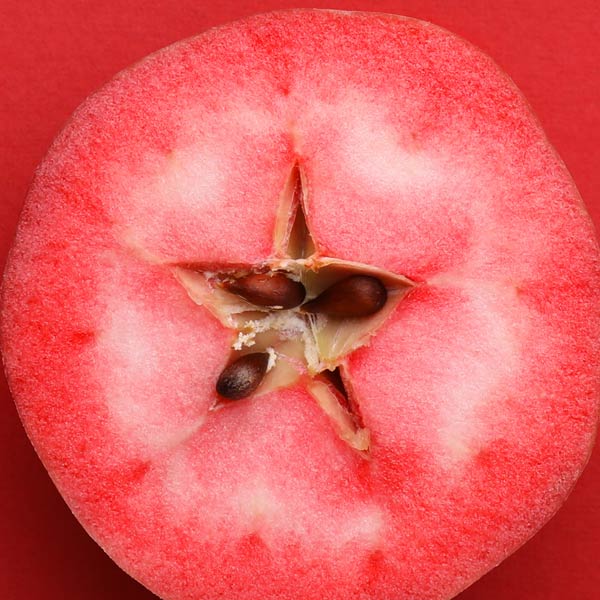
One of the best red fleshed apples for cider, Redfield is a cross of Niedzwetzkyana and Wolf River selected at the NY experimental station in the 1930’s. Often considered too tart for fresh eating but is excellent for cider, vinegars, jams, and jellies.
One of the best red fleshed apples for cider, Redfield is a cross of Niedzwetzkyana and Wolf River selected at the NY experimental station in the 1930’s. Often considered too tart for fresh eating but is excellent for cider, vinegars, jams, and jellies.
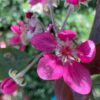
Enjoy these unique, red-fleshed apples in your yard or landscape. They bear abundant crops of fruit, which makes a tasty and attractive addition to salads, are good for baking and make delicious pink applesauce and juice. Of course, they are also great for fresh eating too. Fine ornamentals as well, they are prized for their beautiful pink flowers.
Help your bare roots grow with the Transplanting Bundle found here
Latin Name: Malus pumila
Site and Soil: Redfield apple likes 1/2 day to full sun and well-drained soil.
Rootstock Description:
M-7 is considered a semi-dwarf rootstock growing 12-16 ft. in height. M-7 is very hardy and adapted to most soils. Vigorous, drought tolerant, and well anchored, trees on M-7 should not require staking.
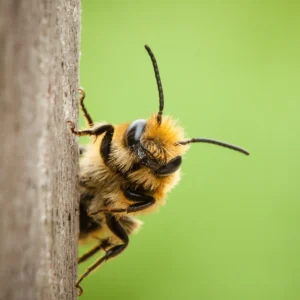
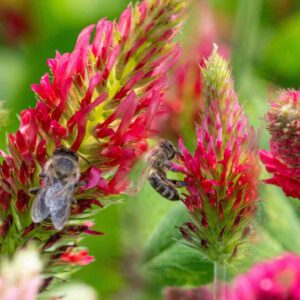
Pollination Requirements: Apples need another variety nearby for pollination. Neighboring trees often offer sufficient pollen for good fruit set. Consider Mason Bees to help pollinate and increase fruit production.
Hardiness: Hardy to minus 30° F or below.
Bearing Age: 2-3 years after planting.
Size at Maturity: Semi-dwarf 12-16 ft.
Taste: Sweet-tart
Fruit Skin: Bright red
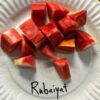
Fruit Flesh: a range of pink to crimson and white towards the core
Bloom Time: April
Ripening Time: Early September
Yield: 30-50 lbs.
Pests & Diseases: Apples can be affected by Apple Scab. Apple Scab is especially a problem in regions with wet springs, like we have in the Pacific Northwest. While it doesn’t seriously affect the eating quality of the fruit, it can cause black spots on the apples and foliage. Apple Scab can be controlled by sulfur and other sprays. Codling Moth can create wormy apples and aphids can damage the foliage of apple trees.
USDA Zone: 4
| Weight | N/A |
|---|---|
| Size | 1 Gallon, 2 Gallon, 9" Deep Pot, Bare Root |
| Shipping Season | Fall |
Fruiting Trees
Fruiting Trees
Fruiting Trees
Apple Trees
Fruiting Trees
Fruiting Trees
Apple Trees
Fruiting Trees