Shop All Plants

Fruiting Trees
CLASSIC FAVORITES
Nut Trees
CLASSIC FAVORITES
Discover
Unique Plants for Every Garden
Discover
Unique Plants for Every Garden


$32.95
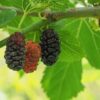
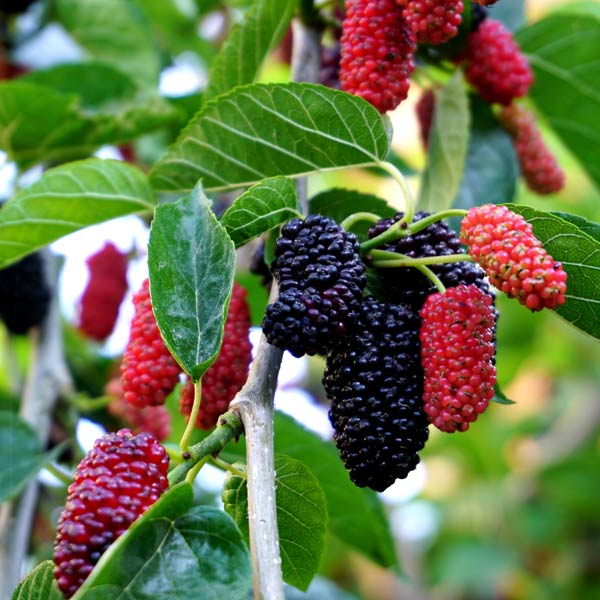
A mulberry selected in Florida that’s been found to perform particularly well in a humid zone 9 climate, but also shows promise in other mulberry growing climates. So far here in Oregon it performs similarly to Illinois Everbearing, being very productive and producing very tasty dark fruits.
A mulberry selected in Florida that’s been found to perform particularly well in a humid zone 9 climate, but also shows promise in other mulberry growing climates. So far here in Oregon it performs similarly to Illinois Everbearing, being very productive and producing very tasty dark fruits.
Exotic, sweet, and delicious, Mulberries are very popular in Central Asia and the Middle East. Now you can grow and enjoy this juicy and nutritious fruit! Mulberry fruit resembles a Blackberry and is delicious eaten fresh. It can also be dried for tasty winter snacks. Mulberries are pest and disease resistant and form an attractive, small tree with dark green, tropical foliage. Along the ancient Silk Road in Central Asia, Mulberries are widely grown for their foliage, which is used to feed silkworms.
Latin Name: Morus sp.
Site and Soil: Lakeland Tropical Mulberry likes 1/2 day to full sun and well-drained soil.
Pollination Requirements: Self-fertile.
Hardiness: Hardy to minus 15° F.
Bearing Age: 2 – 3 years after planting.
Size at Maturity: 15-20ft. in height (occasionally up to 25+ ft)
Bloom Time: Spring
Ripening Time: July to September
Yield: 15-25 lbs.
Pests & Diseases: Mulberries are not bothered by pests or diseases.
USDA Zone: 5-10
| Weight | N/A |
|---|---|
| Size | 1 Gallon |
| Shipping Season | Fall |
Cherry
Fruiting Trees
Apple Trees
Combo Fruit Trees
Asian Pears
Combo Fruit Trees
Fruiting Trees
Apple Trees