Shop All Plants

Fruiting Trees
CLASSIC FAVORITES
Nut Trees
CLASSIC FAVORITES
Discover
Unique Plants for Every Garden
Discover
Unique Plants for Every Garden


Price range: $32.95 through $39.95
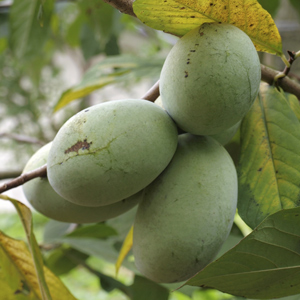
Another newly released variety introduced by the Kentucky State University breeding program, KSU-Benson™ Pawpaw ripens in mid- season and is prized for it incredibly heavy crops, 150 or more fruit per tree, and rich and delicious flavor.
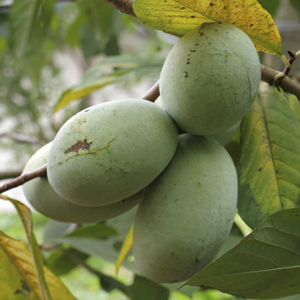
Another variety newly introduced by the Kentucky State University breeding program, KSU-Benson™ Pawpaw is prized for it incredibly heavy crops, 150 or more fruit per tree, and rich and delicious flavor. This pawpaw variety is a high yielding, round, medium-sized fruit of the early season ripening variety. It has a unique mango, banana, pineapple like flavor. Also unique about this Pawpaw is that it bears round fruit that are attractive and can also be packed easily.
This is the second Pawpaw cultivar released from the Kentucky State University Pawpaw Breeding program was named in honor of Dr. Harold R. Benson who served as director of the Land Grant Program for more than 36 years. Dr. Benson supported the KSU pawpaw research program from its beginning back in 1990. The first cultivar, KSU-Atwood™, is named for Rufus B. Atwood, former president of Kentucky State College (now University) from 1929-1962 who led efforts to desegregated education in Kentucky in the 1940s.
Pawpaw’s (Asimina triloba) are one of the most unique and delicious fruits that can be grown in the backyard orchard. Native to eastern North America, pawpaw’s are the only member of the Annonaceae, or custard apple family, that is adapted to temperate climates. Its tropical relatives include the cherimoya, atemoya, guanabana, and soursop, and it is easy to see the resemblance between the pawpaw fruit and that of its tropical cousins. Pawpaw fruit combines delectable, fruity, banana-like flavor with creamy, custard-like flesh. Nutritious as well as delicious, the greenish yellow, 3″-6″ long fruit is unusually high in protein and is a good source of vitamins and minerals. Everything about this plant, from its leaf size and shape to the way its fruits look, taste and smell is tropical, yet it is cold hardy to zone 5 and can be grown in temperate climates from coast to coast. A slow growing, small tree, Pawpaw is naturally disease and pest resistant and features long, tropical-looking foliage that turns a striking bright yellow in the fall. The largest native American fruit, Pawpaw was a significant part of the Native American diet, and with our superior large-fruited varieties, is enjoying new popularity.
Click here to read our Pawpaw Growing Guide!
Latin Name: Asimina triloba
Site and Soil: Pawpaw likes rich, well-drained soil, high in organic matter. Can be grown in shade or sun. Summer Sunburn affects the young trees, so protect against the intense afternoon sun.
Rootstock Description: Grafted onto Pawpaw seedling rootstock.
Pollination Requirements: Plant two varieties or a combination of seedlings and varieties for cross-pollination.
Hardiness: Hardy to minus 20°F or below.
Bearing Age: 3-5 years after planting.
Size at Maturity: 12-15 ft. in height.
Taste: Rich mango, banana, and pineapple like flavor.
Fruit Skin: Greenish yellow.
Fruit Flesh: Creamy yellow.
Fruit Size: Medium.
Bloom Time: April.
Ripening Time: September-October.
Yield: 30+ lbs.
Pests & Diseases: Pawpaw is not bothered by pests or diseases.
USDA Zone: 5-8
| Weight | N/A |
|---|---|
| Size | 1 Gallon, 5.5" Banded Pot |
| Shipping Season | Fall |
Fruiting Trees
Fruiting Trees
Apple Trees
Fruiting Trees
Cherry
Apple Trees
Fruiting Trees
Fruiting Trees