Shop All Plants

Fruiting Trees
CLASSIC FAVORITES
Nut Trees
CLASSIC FAVORITES
Discover
Unique Plants for Every Garden
Discover
Unique Plants for Every Garden


$24.95
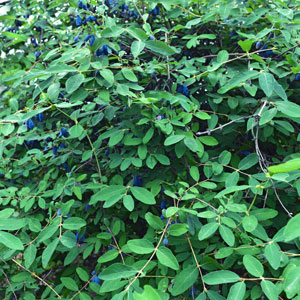
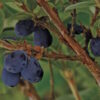
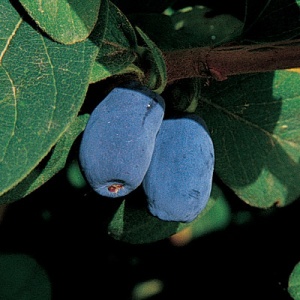
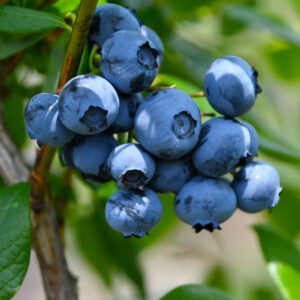
A very attractive, compact and spreading shrub, Blue Moon™ features soft, dark green, velvety foliage and bears good crops of large, tasty, dark blue fruit.
A very attractive, compact and spreading shrub, Blue Moon ™ Honeyberry features soft, dark green, velvety foliage and bears good crops of large, tasty, dark blue fruit.
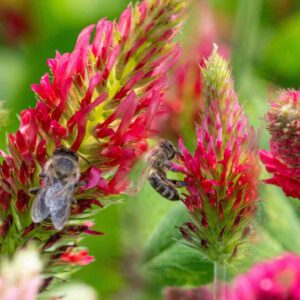
These varieties bloom up to 2 months later in the NW region than the early blooming varieties. Later blooming means that more bees and other insects are available for pollination and fruit set is significantly better. These varieties are also good for east of the Cascade Mountains, and other colder regions of the US.
Latin Name: Lonicera caerulea var. edulis
Site and Soil: Honeyberry likes 1/2 day to full sun in the Pacific Northwest and other cool regions, partial shade in hot regions, and well-drained soil.
Pollination Requirements: Two varieties with similar bloom time are needed for cross-pollination.
Hardiness: Honeyberry is hardy to minus 40° F.
Bearing Age: 1-2 years after planting.
Size at Maturity: 2-3 ft. in height
Bloom Time: March
Ripening Time: June
Yield: 5-10 lbs.
Pests & Diseases: To deter birds, use mylar flash tape or cover plants with netting. Powdery mildew is common fungal disease that affects Honeyberry plants, but doesn’t cause significant damage.
USDA Zone: 3
Sunset Western Zone: A1-A3; 1-3
Sunset Northeast Zone: 31-45
| Weight | N/A |
|---|---|
| Size | 1 Gallon |
| Shipping Season | Fall |
Blueberries
Blueberries
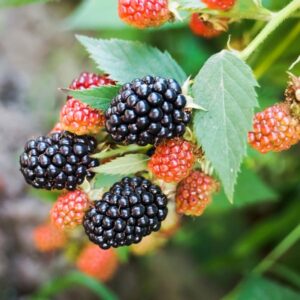
Blackberries
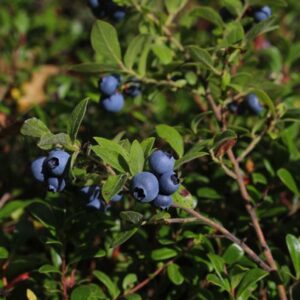
Blueberries
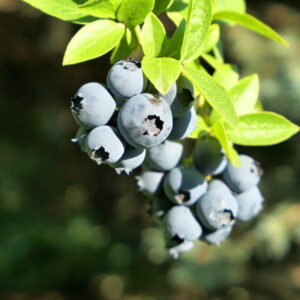
Blueberries
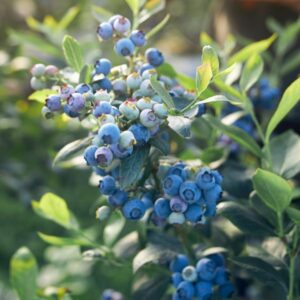
Blueberries
Blueberries
Blueberries