Shop All Plants

Fruiting Trees
CLASSIC FAVORITES
Nut Trees
CLASSIC FAVORITES
Discover
Unique Plants for Every Garden
Discover
Unique Plants for Every Garden


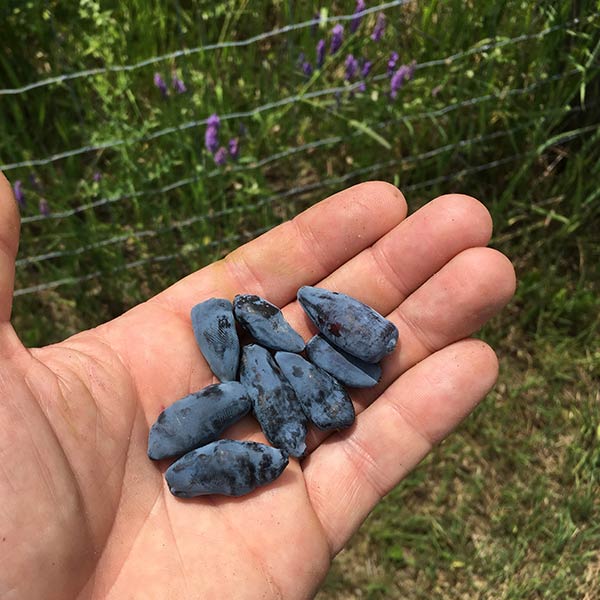
$24.95
Aurora is quickly becoming the standard for fresh eating honeyberries. While not as deeply pigmented or nutritious as other varieties, it has a higher sugar content and larger berry size than most varieties. Aurora honeyberries ripen early to mid season and flower early
Aurora Honeyberry is quickly becoming the standard for fresh eating honeyberries. While not as deeply pigmented or nutritious as other varieties, it has a higher sugar content and larger berry size than most varieties. Aurora honeyberries ripen early to mid season and flower early. Plants are more upright growing and get to a taller height than many other varieties. An excellent variety if you’re new to honeyberries or looking for a great fresh eating variety.
Latin Name: Lonicera caerulea
Site and Soil: Full sun to partial shade and well-drained soil.
Pollination Requirements: Two varieties with similar bloom time are needed for cross-pollination.
Hardiness: Hardy to -35° F
Bearing Age: 1-2 years after planting.
Size at Maturity: 4-6′ tall
Taste: Sweet, high sugar content
Fruit Skin: Blue
Fruit Size: Large
Bloom Time: March-April
Ripening Time: May-June
Yield: 5-10 lbs.
Pests & Diseases: To deter birds, use mylar flash tape or cover plants with netting. Powdery mildew is common fungal disease that affects Honeyberry plants, but doesn’t cause significant damage.
USDA Zone: 3-8
| Weight | N/A |
|---|---|
| Size | 1 Gallon |
| Shipping Season | Fall |
Blueberries
Blueberries
Blueberries
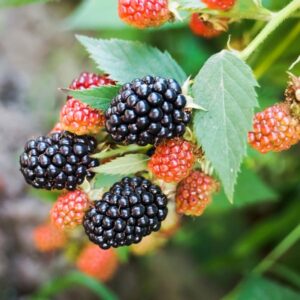
Blackberries
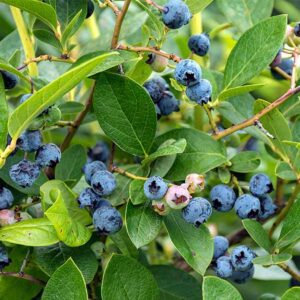
Blueberries
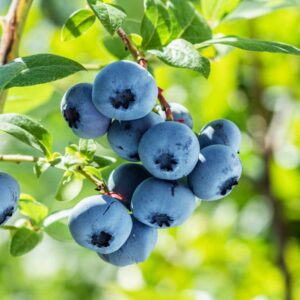
Blueberries
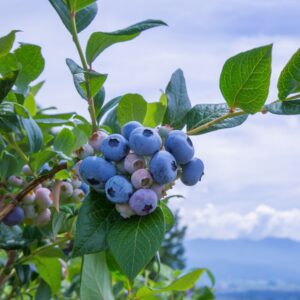
Blueberries
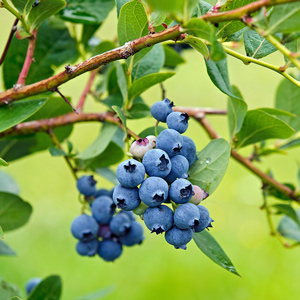
Blueberries