


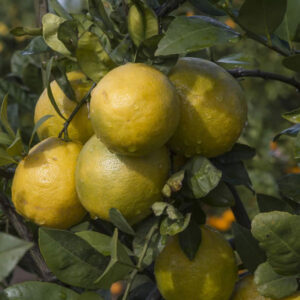
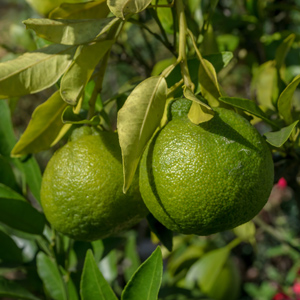
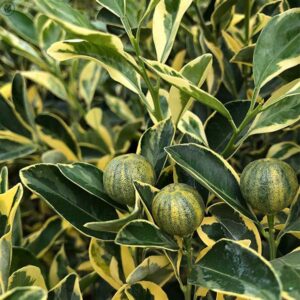
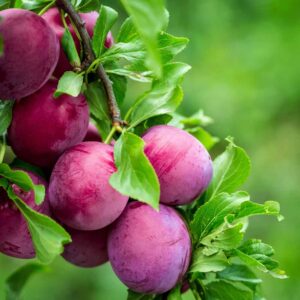






The mystical Pomegranate, Punica granatum! One of humanity’s oldest cultivated crops, it originated in the region spanning the Caucasus and the Iranian plateau — including modern-day Iran, Turkmenistan, Afghanistan and Pakistan. Pomegranate was first domesticated about 5,000 years ago, and is extensively cultivated for its fruit to this day.
While Pomegranates are known for being heat loving plants, we source many cold hardy and early ripening varieties, making the romance of Poms available to most growers in the United States. We have even been able to ripen Pomegranates here in our mild Portland climate!
Jump to:
Site Selection, Planting, Watering & Fertilizing, Pruning, Varietal Selection
SITE SELECTION
Pomegranates do best in warm spots. Choose a location that receives full sun for at least 6-8 hours daily. Utilize your microclimates, such as south-facing slopes or south facing walls, to enhance warmth and protection from cold winds
Sunlight Requirements
Sun, sun, sun is the first thing to consider. Poms prefer as much sunlight as possible. Planting along a south facing wall is an ideal spot due to the ambient heat it provides. Creating this microclimate will help the pomegranates ripen and will also protect the tree through the winter.
Soil Conditions
Loamy soil is preferred, which consists of a balanced mix of sand, silt, and clay. This texture allows for good water penetration and aeration. They prefer a slightly acidic pH, ideally between 6.0 and 7.0.
PLANTING
Remove any weeds or grass in a circle 2-3 ft. in diameter. Dig a hole that is just as deep as the root ball and 2-3 times wider. Rough up the sides of the hole with your shovel so that your plants roots can easily spread.
A thick mulch around the base of your fig tree will help retain moisture and add organic matter over time.
WATERING & FERTILIZING
Pomegranates are well-adapted to low fertility soils in their native habitats. They thrive in arid regions where soil may lack nutrients, showing a fabulous resilience in less-than-ideal conditions. However, while they can survive in poor soils, they perform better in nutrient-rich environments.
Apply a slow release organic 10-10-10 early each spring, or top dress with a well rotted manure to add needed nutrients to your soil. A second application can be made in mid-summer if the tree shows signs of nutrient deficiency.
Pomegranates can’t tolerate wet feet or overly wet soils. During the first year after planting, water pomegranate trees 2-3 times per week, providing about 5 gallons each time to establish a strong root system
For established trees, aim for approximately 5 gallons of water per week during the growing season, adjusting as needed due to weather of course.
PRUNING
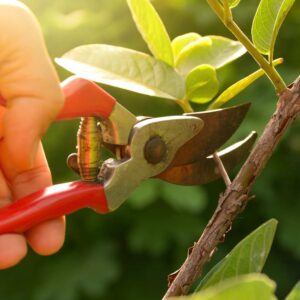
Pruning Pomegranates is similar to pruning most other fruit trees. The ideal time to prune pomegranate trees is after the danger of frost has passed, typically in late winter or early spring. General rules include pruning out dead or diseased wood. You can also trim root suckers and remove damaged growth throughout the growing season.
VARIETAL SELECTION
When selecting which cultivar to grow in your particular location, keep in mind your USDA Zone for Cold Hardiness, as well as your regional growing seasons. Norther Growers should look for early ripening varieties to ensure ripened fruit when summer heat starts to dwindle.
Also consider your desired fruit traits such as size, sweetness, and color. Varieties like ‘Wonderful’ are known for their large, sweet arils, while others offer unique flavors or colors!
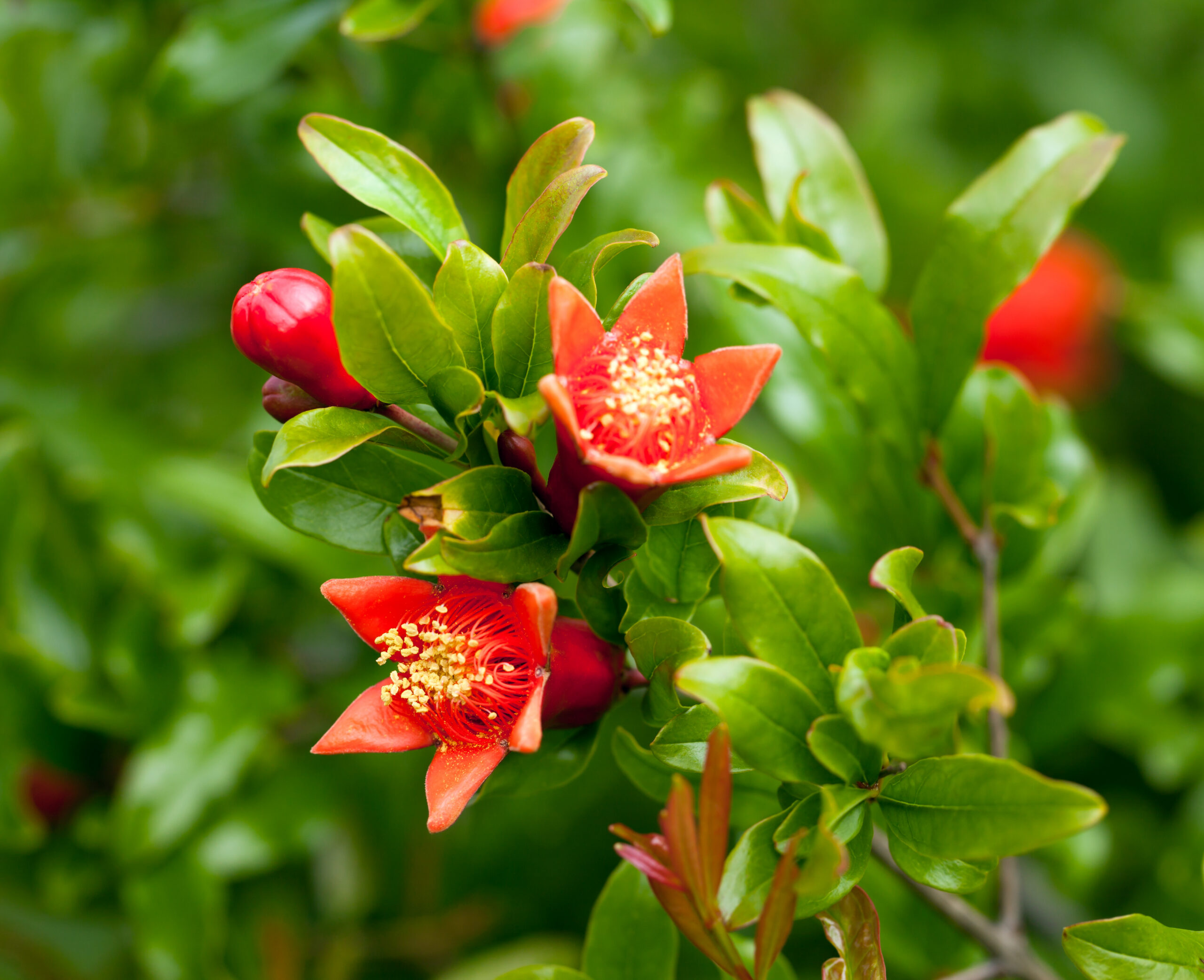
Sun ripened Pomegranates are marvels worthy of Persephone herself, but in locations where fruit ripening is unlikely, this elegant species is still a sure show-stopper as an ornamental.
Connect with us about Pomegranates! Reach out to our customer service team and we’re happy to connect! Contact us via email at info@onegreenworld.com
or leave us a voicemail at: 1 (877) 353-4028