


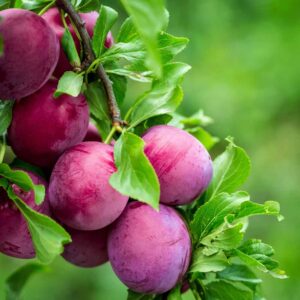
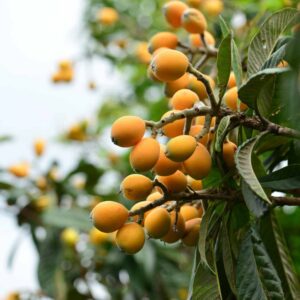



Peaches and Nectarines are some of the most delicious and desirable home grown fruits! Unfortunately, also one of the more difficult to grow. Few tastes in the natural world can beat the flavor of a sun-ripened peach. But if you’ve spent anytime growing peaches or nectarines then you’re surely familiar with the dreaded Peach Leaf Curl fungus!
Learn about Peach Leaf Curl
Taphrina deformans is a species of fungi that is commonly called Peach Leaf Curl for the way it distorts peach leaves. It is the bane of peach growers everywhere. One of the easiest diseases to spot, Peach Leaf Curl causes leaves to curl in on themselves and become blistered. The fungus causes the growing cells at the leaf margins to multiply quickly and randomly, resulting in curled and distorted appearance. To navigate away from this fungal disease, we have a few options listed below.
Chose Resistant Varieties
An easy option, select the most leaf curl resistant peach and nectarine varieties you can find. Oregon Curl Free and Pacific Pride are two of our favorites. If you like white peaches, check out Summer Salish! Here are the resistant varieties we source for you:
Charlotte Peach– USDA Zone: 5-9, resistant to bacterial canker/PNW Semi-freestone
Frost Peach Tree– USDA Zone: 5-9, Very resistant/PNW/ Great for cold regions, semi-freestone
Myron Peach – USDA Zone: 5-9 /PNW Very resistant, resist peach leaf curl and ripen delicious peaches here in Western Oregon.
Nanaimo ™ Peach– USDA Zone: 5-9, Very resistant/PNW, Canadian, freestone
Oregon Curl Free Peach– USDA Zone: 5-9, Very resistant/PNW Semi-freestone
Salish Summer Peach (Q 1-8)– USDA Zone: 5-9, Very resistant/PNW, white-flesh, showy pink blossoms, semi-freestone
Utilize Fungicides
More so than nearly any other tree, it’s vital to spray fungicide on your peaches and nectarines! Apply treatments in late fall and again in late winter or early spring. The Pacific Northwest provides ideal conditions for the peach leaf curl fungus. It thrives in temperatures between 50 to 70°F and when the weather is wet, which is a good portion of our spring. Rains wash the spores into the buds and bark crevices and the fungus quickly spreads. Spraying in winter and again in early spring is your best bet of keeping the fungus at bay. Organic approved sprays such as Neem Oil, Horticultural Oil, Bi-Carb and Copper all work fine. We’ve found Copper to be by far the most effective against leaf curl.
Protect from…Rain?
Lastly, and likely most successful for home growers is to keep your trees out of the rain! Which sounds ridiculous on a large scale, but home growers who keep their peaches and nectarines underneath their patio coverings or eaves during the cool rainy season can enjoy peaches and nectarines that are completely free of peach leaf curl! We’ve even heard of growers who install rain tarps between May – October. Because the fungal spore-filled raindrops never land on the leaves and work the spores into the buds and bark, the tree is virtually free of the disease!
Rain protection usually requires growing your trees in pots. In this case, genetic dwarf Miniature Peaches and Nectarines make it easier than ever to grow truly curl free peaches! These trees are naturally dwarf and only grow 4-6 feet tall. Though this limits your production somewhat they still produce enough peaches or nectarines to satisfy a family’s needs for a season and with the huge advantage of not having to worry about that pesky leaf curl!
Happy Growing!
Excited to grow delicious Peaches and Nectarines at home? Connect with us to select the right cultivar for your region!
info@onegreenworld.com – (877) 353-4028