










Cane Berries or Bramble Berries, better known as Blackberries and Raspberries are top choices for the “grow your own” foodies across the US. Cane Berries are one of the world’s most delicate and delicious fruits. Get ready for stained hands and tongues because each berry is made up of a hundred individual fruit juice bubbles. These berries are bursting with juicy flavor and packed with nutrition. A fully ripe cane berry will melt in your mouth and leave your taste buds wanting more. Many of the unique and tastiest varieties never make it to the grocery store shelves because they are too fragile for shipping. So why not grow this delicacy at home and enjoy healthy, vibrant fruit at peak nutrition?
Jump to: Site Selection, Planting, Watering & Fertilizing, Pollination, Pruning, Varietal Selection, Disease Management
SITE SELECTION
Both Raspberry and Blackberry plants are best grown in rows with supporting wires and T-posts. Cane Berry plants prefer to be protected from the strong prevailing winds. Most areas of the US are suitable for growing Cane Berries and cultivars have been bred specifically for each bioregion of the country. Check your local extension agency for the best varieties to grow in your region. In general, Raspberry plants are more cold hardy than Blackberries.
Soil and Sunlight: Cane Berry plants require well-draining soil, rich in organic matter. If your soil is oversaturated with water or has standing water in the winter, you cab mound up or use planter boxes to prevent pooling. In general, full sun is best for Cane Berry planting. Blackberry plants prefer a warmer area of the garden and Raspberry plants like the cooler spots with a little afternoon shade.
Blackberry canes will tip root and spread once they touch the ground. You can make new plants this way by pulling the rooted tip and cutting it off the cane. Blackberry plants are more tolerant of heavy soils than Raspberry plants however it is best to grow on a site with good drainage. Raspberries will fill in an area once planted. Make sure you plant them in a spot where you can control the runners.
PLANTING
Blackberries need more space between the plants than Raspberries. Plant trailing Blackberries like Marion and Obsidian at least 6’ apart. The semi-erect and upright cultivars like Triple Crown only need about 4’ apart.
Raspberries in general do best with 2’-3’ of spacing between plants. Keeping your rows narrow will help the plants dry quickly and help prevent fungal and bacterial disease: a recommended row width is 18 inches.
WATERING & FERTILIZING
Cane Berry plants need one inch of water or more per week between June – September. Rain or irrigation is required to produce large sized berries and healthy plants.
Cane berry leaves should look healthy and vibrant green. Fertilize with a balanced organic fertilizer in spring and add plenty of compost to feed the canes and suppress weeds. Provide top layers of lighter brown materials like straw to retain moisture.
PRUNING
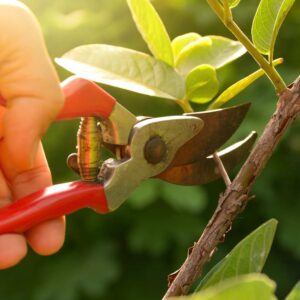
This mnemonic device makes it easy to thin out canes: “After fruiting if the cane is green let it be seen if the cane is brown cut it down”
Removing the growing tip of each cane is beneficial for Blackberries. Cane tipping at 6’ is helpful to increase flowering and control cane length. Keep the canes in check and “soft tip” by hand in the summer. Also, tip canes back after winter in order to remove freeze damage and promote horizontal growth and increase production.
VARIETAL SELECTION
Types of Blackberry Plants
There are three types of Blackberry plants: Trailing, Erect and Semi-erect. These different growing patterns are important to consider so you can ensure you have the right environment to support them. Trailing and semi-erect varieties have ling flexible canes that require trellising for support. Erect varieties grow upward naturally and generally don’t require a trellis. New varieties are bred to be thornless as well, providing delicious fruit with an added ease of harvest.
Many folks here in the Northwest question why they’d ever cultivate blackberries when they’re already growing wild along seemingly every road and pasture in the state, but keep in mind the named cultivars are far superior in flavor and production. We’ve seen many blackberry converts after they taste their first Triple Crown or Tayberry. Varieties differ greatly in flavor, ripening time, fruit & seed size, appearance, shape, texture and flavor. All types are self-fruitful, so you need only one plant to get fruit. Most Blackberries produce on second-year wood, but a few will make first-year fruit too.
Types of Raspberry Plants
Raspberries come in two types and many shades and colors. There are June bearing, or floricane raspberries, which produce fruit on second year canes. The other being everbearing, or primocane types, which produce on first year canes. Primocane varieties will produce a moderate crop in June and a much larger crop from late August until frost. Primocane varieties can be mowed to the ground after harvest and require less trellising than June bearing varieties, though we recommend planting a few of each to ensure you have a steady supply of berries throughout the season.
STAFF PICKS
Blackberries: Columbia Giant Thornless, Triple Crown, and Chester Throneless
Raspberries: Willamette, Tulameen, and Cascade Delight
DISEASE MANAGEMENT
Provide good air circulation: fungal and bacterial cane diseases thrive in moist conditions. Improving airflow through the patch will allow plants to dry quickly after rain or dew. Remove all weeds from the cane berry patch to improve air circulation around the canes. Use drip irrigation when possible, and if using a sprinkler is the only option, water early on a sunny day so that leaves dry quickly in the sun.
Remove floricanes after harvest: For disease control, the best time to remove dead canes is during the weeks following harvest in late July or early August, even if some of the leaves are still green.
Prune out diseased primocanes: Cutting dead and infected canes removes the fungal pathogen from the patch. It also increases air flow through the raspberry patch. Diseased plant material can be burned or thrown away but should not be composted.
If you have any questions about how to grow these delicious berries, choosing the right cultivar, how to prep your soil, etc., please reach out to our customer service staff and we’re happy to chat!
info@onegreenworld.com – (877) 353-4028