






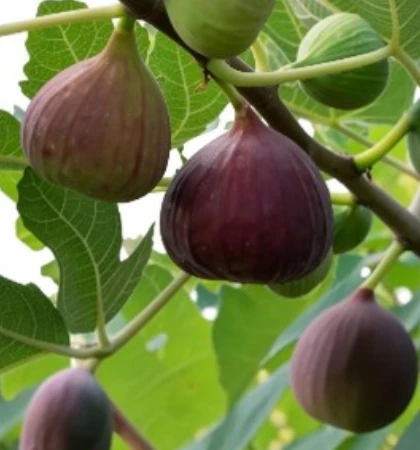

Mulberry trees (genus Morus) are native to Asia and North America and in the same botanical family (Moraceae) as figs, breadfruit and osage orange. Exotic, sweet, and delicious, Mulberries are very popular in Central Asia and the Middle East. Now we can grow and enjoy this juicy and nutritious fruit! Mulberry fruit resemble a petite, elongated blackberry and are delicious fresh or dried for tasty winter snacks. Along the ancient Silk Road in Central Asia, mulberries are widely grown for their foliage, which is used to feed silkworms. Mulberry fruit that are dark red to black in color can stain surfaces that they fall on, like sidewalks and driveways, so keep this in mind when choosing a planting location.
Jump to: Site Selection, Varietal Selection, Pruning
Some of the most popular species of mulberry to grow for fruit are Morus nigra and Morus alba. While these Latin names might appear to specify the fruit color, the fruit of each is actually not necessarily the color given in the name. For example, the Oscar Mulberry produces black fruits, but the Latin name is: Morus alba.
SITE SELECTION
Mulberries are relatively easy to cultivate here in the PNW. Please keep in mind, white mulberries, Morus alba, have the potential to become invasive in some areas of the Northeastern U.S. This is important to consider this when planting, especially in locations where the native red mulberry could be displaced by it. Check with your local Agricultural Extension Service if you are concern about planting mulberries if your area.
Mulberries like half day to full sun and well-drained soil. Most mulberries will get quite large, 15-20 feet, and occasionally 25+ feet depending on the variety. There are some dwarfing varieties such as Mojo Berry Mulberry, Doug’s Dwarf Mulberry, and Dwarf Black Mulberry that will stay under 12 feet and are more suitable for those with less space.
These trees are self-fertile and typically begin producing fruit 2-3 years after planting. We planted the mulberries at the nursery about 5 years ago and they now produce more fruit than we can snack on! For this reason, these trees also make a great treat for wildlife.
VARIETAL SELECTION
We carry 31 varieties of Mulberry, and we love them all! For those who are sensitive to staining, White Mulberries are the answer. For folks who have limited space, Dwarf varieties. Even those in especially cold climates can still enjoy tasty Mulberry fruit. Check out some of our favorites below:
Persian White Mulberry USDA Zone: 7b 15-30 ft- Produces white fruits with a pink blush.
Pakistan Mulberry– USDA Zone: 7-10 12-15 ft – The world’s largest mulberry!
Oscar Mulberry– USDA Zone: 5-9 up to 25 ft, most flavorful of hardy varieties.
Doug’s Dwarf Mulberry– USDA Zone: 5-10 Only 8’ in height! Great for bonsai!
PRUNING
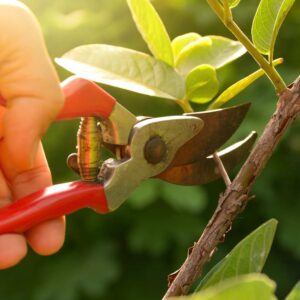
Pruning on them, especially in summer is encouraged to keep them at an easily harvestable height. The Contorted and Dwarf Black Mulberry will only reach about 8-10 ft in height and are great choices for gardeners who are tight on space. Mulberries enjoy a site with at least half day sun and are somewhat drought tolerant once established. We’ve never seen any pests or disease issues on any of the mulberries we grow, making them a great addition to the low maintenance edible landscape or forest garden.

Mulberry fruits have abundant phenolic compounds and antioxidants and are a healthful fruit. The mulberries are also said to contain pharmacological properties that can help prevent disease. Tasty for fresh eating, the berries are also great for making jams and jellies. What do you do with Mulberry Fruit? Let us know!
If you have questions about Mulberries – connect with us!
info@onegreenworld.com or (877) 353-4028