Shop All Plants

Fruiting Shrubs & Berries
Small plants. big harvest.
Fruiting Trees
CLASSIC FAVORITES
Nut Trees
CLASSIC FAVORITES
Discover
Unique Plants for Every Garden
Discover
Unique Plants for Every Garden


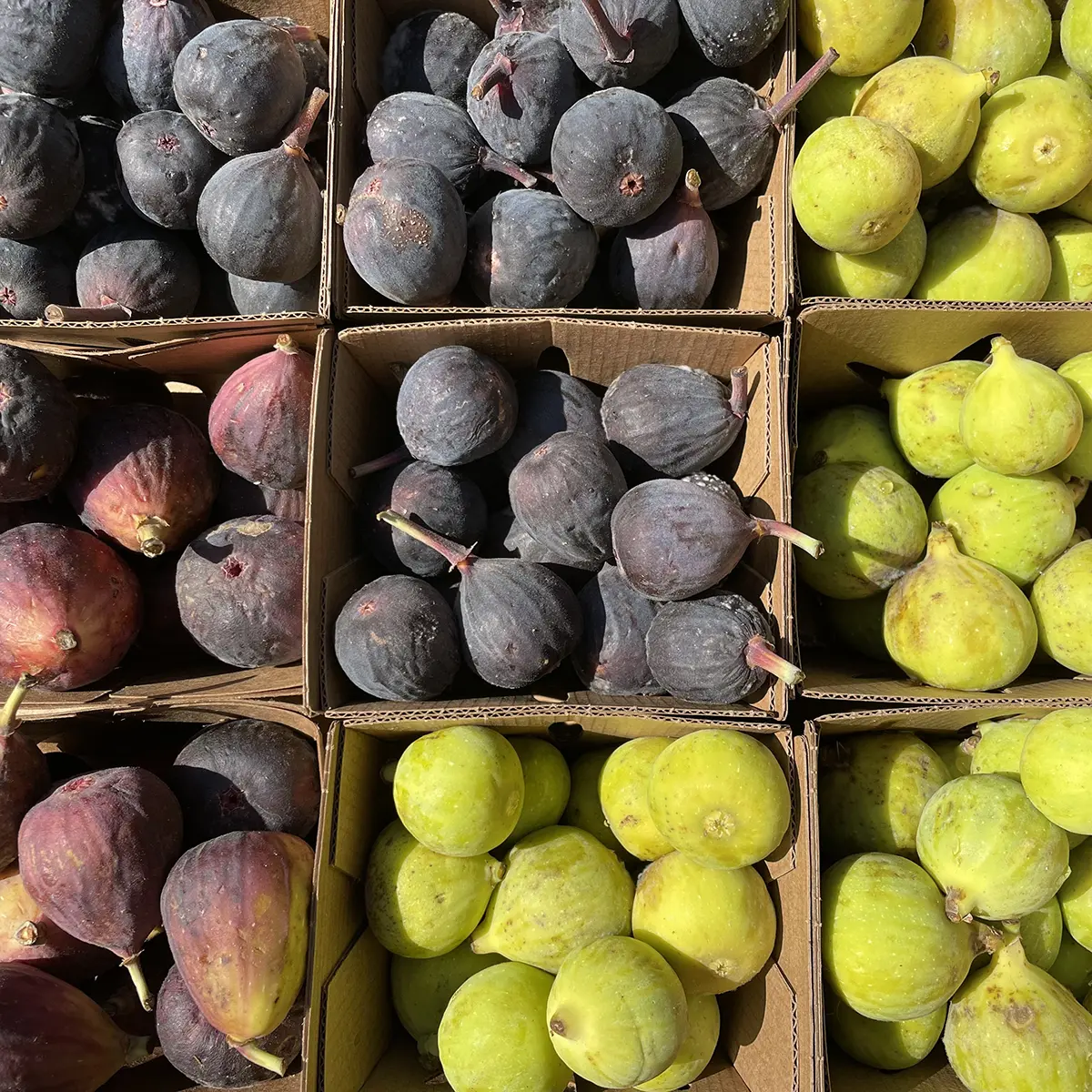
Price range: $29.95 through $59.95
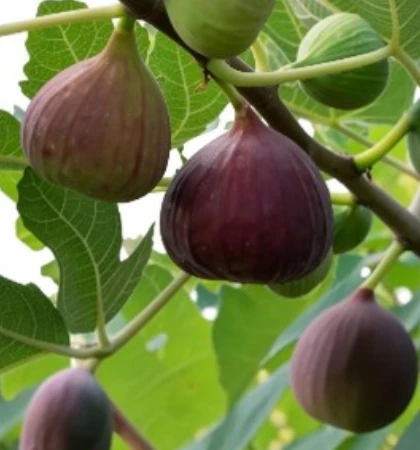
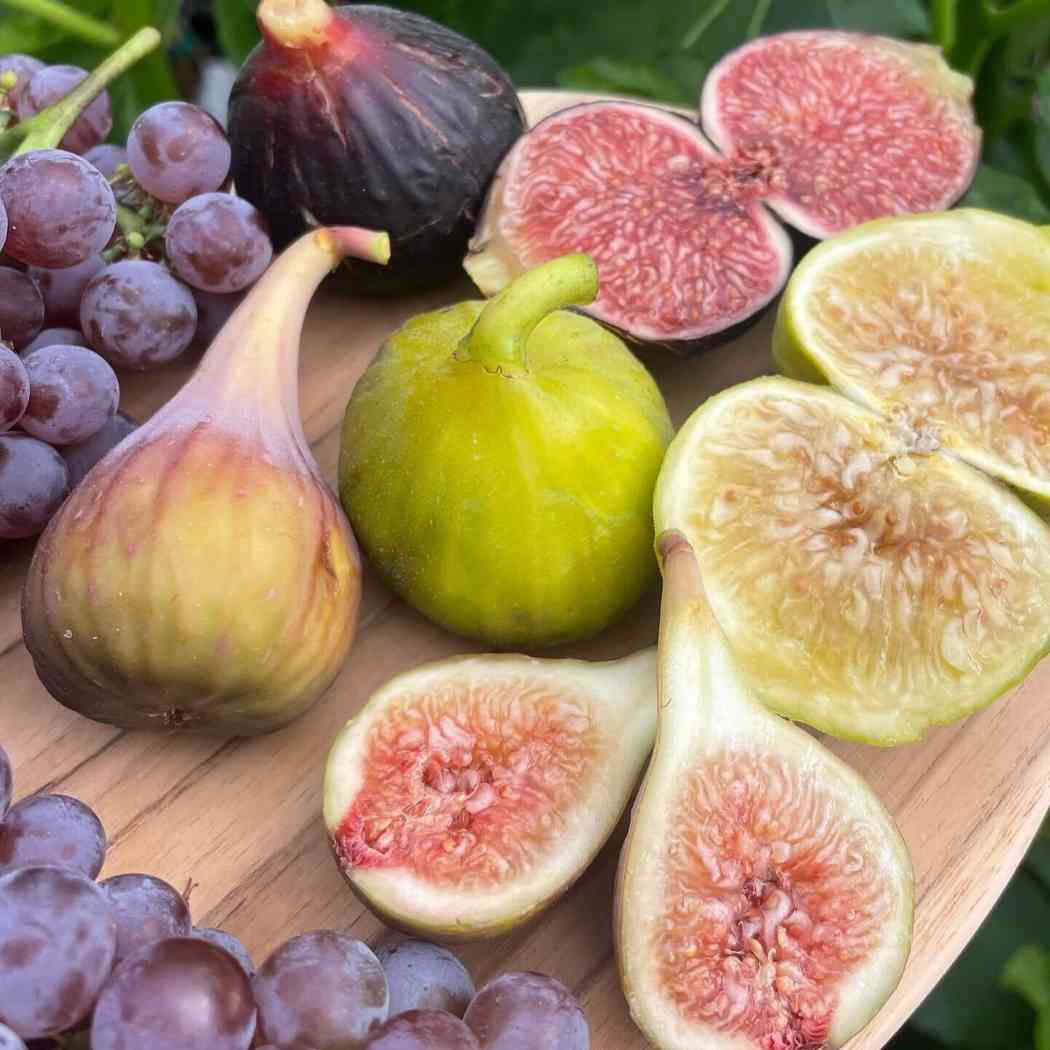
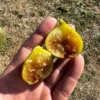
An ever changing selection of figs from our collection that we are either still trialing, eventually introducing, or are culling from the herd.
An ever-changing selection of figs from our collection that we are either still trialing, eventually introducing, or are culling from the herd.
Caffe: a fig that is a favorite of Paolo Belloni of the famed Pomona Gardens. We have not seen it fruit here and we believe it needs the fig wasp to produce edible figs.
187-25: a fig from the USDA collection that is beloved by many collectors. It is reportedly common but we haven’t seen it produce figs yet here.
Joualle Amber: a honey fig with really excellent flavor. Ripens a bit late for the PNW, but does produce a breba crop as well.
Liberty White: a Fig Hunter find that we have yet to see fruit, so unsure if it is common or not.
Harold: a wild find from a friend in California, it is thought to be common but we’re still trialing it before releasing more of them. Supposedly a very tasty and productive fig. More info coming soon.
Prosciutto: a fig we got on a trip to Vermont many years ago that looks like a fairly typical Adriatic fig with excellent flavor and a deep colored flesh. This one requires a longer season than we have to ripen so we likely won’t continue growing it. Also known as Prosciutto Unk.
Latin Name: Ficus carica
Site and Soil: Figs do well in a variety of soils but require at least 8 hours of sunlight during the growing season.
Pollination Requirements: Self-figful.
Hardiness: Hardy to between 0° & 5° F.
Bearing Age: 1-2 years after planting.
Size at Maturity: 10-20 ft in height, smaller with pruning.
Taste:
Fruit Skin:
Fruit Flesh:
Bloom Time: Flowers are not noticeable as they are inside the fig.
Ripening Time:
Yield: 10-15 lbs. or more per plant.
Pests & Diseases: Figs are not bothered by pests or diseases in our region. Cover plants with netting if birds are a problem. Fig Mosaic Virus is a benign virus that exists in all cultivated fig trees. Yellow spotting of the leaves is a cosmetic symptom that shows more in container culture but is quickly outgrown once trees are planted in the ground. The presence of FMV in all cultivated figs has become widely accepted, as even the national germplasm repository for figs maintained by the USDA has Fig Mosaic Virus. If the presence of FMV is a concern, then purchasing fig trees may not be the best option for you.
USDA Zone: 7
Sunset Western Zone: 4-9, 12-24
Sunset Northeast Zone: 31, 32
| Weight | N/A |
|---|---|
| Unique Figs | 187-25, Caffé, Colonel Littman's Black Cross, Harold, Joualle Amber, Liberty White, Lyon, Prosciutto |
| Size | 1 Gallon, 2 Gallon |
| Shipping Season | Fall |
Apple Trees
Fruiting Trees
Fruiting Trees
Fruiting Trees
Fruiting Trees
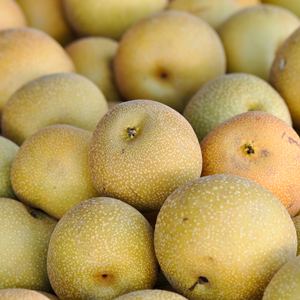
Asian Pears
Fruiting Trees
Fruiting Trees