




Spring is Here!
(This announcement brought to you by El Niño.)
We can now begin celebrating the arrival of this most wonderful of seasons.
Buds are swelling, early bloomers are blooming, grass is growing, garden
shows are showing, all this and its just the beginning of February.
The Oregon Pioneers quickly learned what a great place they had found.
Our mild maritime climate softens our winters and brings us early springs.
Then our dry and warm summers ripen our berries and tree fruits to perfection.
While our friends in the Mid-West and East are still dealing with snow
and frigid temperatures and must wait a little longer, our planting
time has arrived.
Just imagine all the delicious fruit to come! All it takes is a little
shovel work and, voila, you and your trees, shrubs, and vines will
be smiling.

Check Out What's New for 2010!
We have many new delicious and disease-resistant varieties
for planting in your edible landscape this season, including low-chill
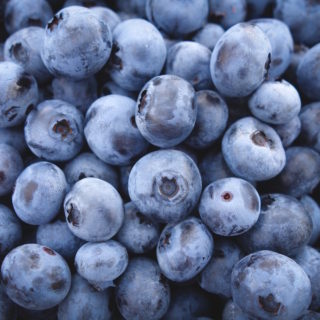
Blueberry
varieties for gardeners in California and the South, uniquely flavored
Heirloom Cherries,
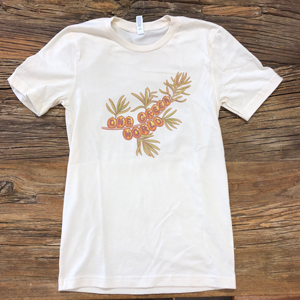
new Sea Berry
varieties from Germany, and lots more!
I'd Rather Be Pruning!
Not usually considered a winter sport, pruning has lot to recommend
it. Once you have a good pruning saw, loppers, pruners and reasonable
gloves, you are set. No lift tickets to buy, no expensive outfits,
no long commutes on icy roads. You'll also get quickly into shape and
reap big rewards later on. When the joy of blazing down the slopes
is long gone, you'll be eating delicious fruit.
Pruning is important but it is not difficult. There are many good books
on the subject, but if you just want to start cutting, here are some
basic tips.
- 1. When to prune:
- While you can actually prune at any time of year, although most
growers consider that the best time is winter to early spring, before
your plants begin growing. Kiwis should be pruned very early, by
the middle of February.
- 2. What to prune:
- If your plants are young, pruning can be as simple as removing any
broken or crossing branches and leaving the more vigorous ones.
Then cut these remaining branches and the leader (the shoot at the top of the tree)
back to about 2/3 of their length. If you have on old tree with
lots of small, twiggy growth, more severe pruning is called for.
Cutting off most of the old wood on the outer edges of the tree
will rejuvenate it and produce much more vigorous, fruit-bearing
growth. Of course, you should also cut back the top growth to make
the fruit easier to harvest. Prune these older trees gradually,
removing more old wood each year. Extreme pruning at one time will
create a forest of upright and undesirable shoots.
- 3. How to prune:
-
When cutting back young shoots or branches, always look for buds
that face outward and cut about 1/4" above them. The cut should
have a slight angle away from the bud. When pruning back older
branches, it's best to make cuts just above a smaller branch that
is facing outwards. You will likely want to cut that small branch
back as well. Because there is actively growing plant tissue near
buds and branches, your pruning cuts will heal more quickly.
From Russia (and Ukraine) With Love!
New flavors and new forms! Try growing a unique fruit this year! This
month we feature many unique and unusual varieties from the former Soviet
Union, including
Honeyberry,
Sea Berry,
Arctic Beauty Kiwi,
Hardy Kiwi,
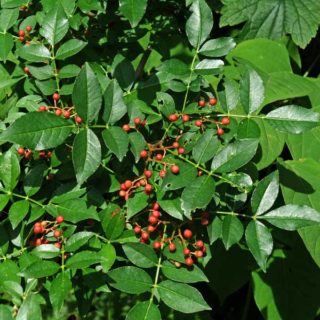
Cornelian Cherry,
and
Black Currant.
This country covered a huge amount of land with varied climates, from
the deep freeze of Siberia to the subtropical region on the shore of
the Black Sea. Though their work was unknown to most Western scientists,
Soviet plant breeders created many hardy, disease-resistant, tasty and
nutritious varieties.
Whether you live in the Far North or the Deep South, you can enjoy these
new and exciting varieties in your landscape or garden. Come see them
at our
store
on Friday and Saturday, from 10AM to 4:30PM!
It's Cornelian Cherry Time!
We have a special offer for you, beautiful 9 year old plants from our
orchard at an incredibly low price! In full bearing age, these
compact shrubs should bloom and bear abundant fruit in 2011. These
are our best varieties, including
Elegant™,
Red Star™, and
Pioneer™.
Don't miss this rare opportunity to add these attractive shrubs to
your yard. Availability is limited! Remember that planting two
different varieties is important for cross-pollination. SALE $39.95 ea.
Two or more plants $34.95 ea. Available at the nursery only - these
plants are so big, we can't ship them.
Mature Blackdown Black Currants on Sale!
Take advantage of this special offer. These mature plants from
our orchard are ready to bear abundant crops of sweet, delicious
and very nutritious berries.
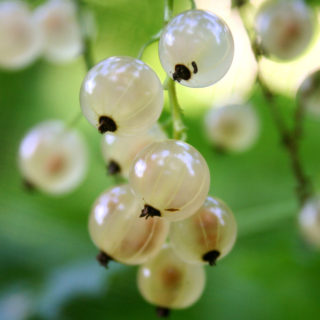
Blackdown
is one of the most flavorful varieties and is great for fresh
eating as well for making the best preserves and juice.
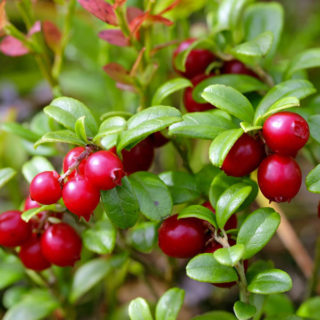
Red Currants
available too! SALE $19.95 ea. 2 or more $16.95 ea. Available at
the nursery only - these plants are so big, we can't ship them.
|