Shop All Plants

Fruiting Shrubs & Berries
Small plants. big harvest.
Fruiting Trees
CLASSIC FAVORITES
Nut Trees
CLASSIC FAVORITES
Discover
Unique Plants for Every Garden
Discover
Unique Plants for Every Garden


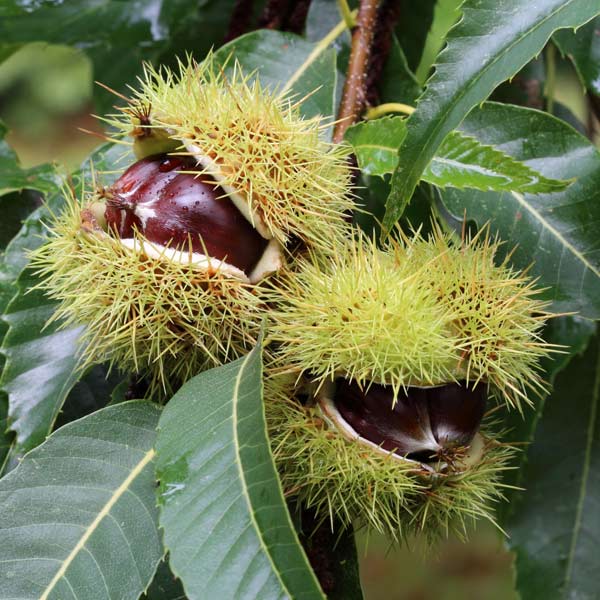
$59.95
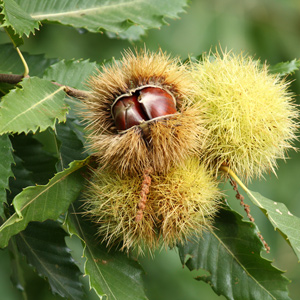
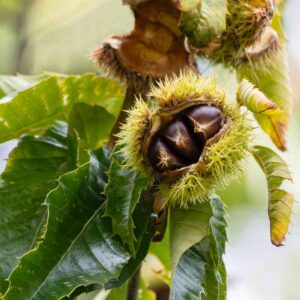
The Nevada Chestnut is a beautiful, large spreading nut tree which features long, tropical looking, glossy green foliage and showy cascades of fragrant, yellow male catkins in mid-summer.
Unique among nuts, Chestnuts are high in starch and are delicious roasted or boiled. If you do not eat your nuts shortly after harvest, it is best to refrigerate them in plastic bags to keep them from drying out. Chestnuts like well-drained soil, full to half day sun and can grow 25 ft. or more in height at maturity. They are hardy to minus 25 ° F, USDA Zone 4 and usually begin bearing 2-4 years after planting. Plant two or more plants for cross-pollination.
Explore more Chestnut varieties HERE!
Latin Name: Castanea spp.
Site and Soil: Nevada Chestnut like 1/2 day to full sun and well-drained soil.
Rootstock Description: Grafted on Colossal chestnut
Pollination Requirements: Plant at least two different trees for cross-pollination and nut production.
Hardiness: Hardy to minus 25ºF.
Bearing Age: 3-4 years after planting.
Size at Maturity: 40-60+ ft. in height.
Bloom Time: June
Ripening Time: Late September.
Yield: 50+ lbs.
Pests & Diseases: Chestnuts are not bothered by pests or diseases in our region. Nevada Chestnuts are reportedly resistant to Chestnut Blight, a disease that affects some Chestnuts in the central and eastern parts of the US.
USDA Zone: 4-9
| Weight | N/A |
|---|---|
| Size | Bare Root |
| Shipping Season | Fall |
Filberts, Hazelnuts
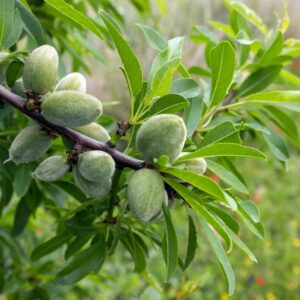
Almond
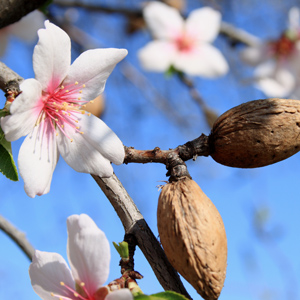
Almond
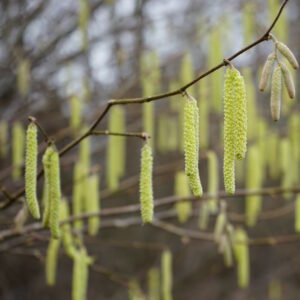
Filberts, Hazelnuts
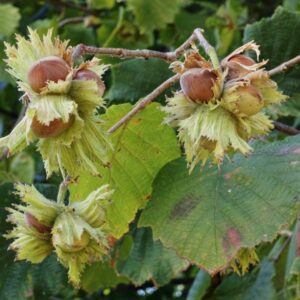
Filberts, Hazelnuts
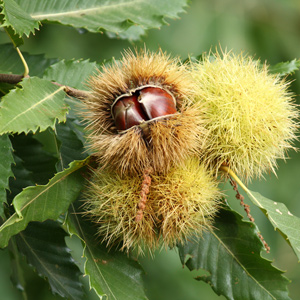
Chestnut
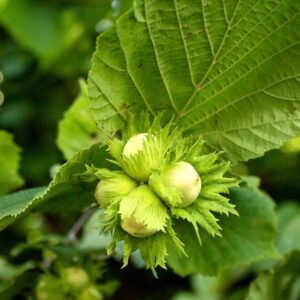
Filberts, Hazelnuts